
A legacy of rich ecological diversity
Historically, the Hill Country was a dynamic mosaic of open oak savannas on the flatter plateaus and dense woodlands in the steeper, protected canyons.
Canopy Trees: Texas Live Oak, Texas Red Oak, Ashe Juniper, and Cedar Elm dominate the uplands. In wetter riparian zones along creeks, Bald Cypress and Pecan trees line the water’s edge.
Native Bunchgrasses: Deep-rooted perennial grasses like Little Bluestem, Indiangrass, Sideoats Grama (the state grass of Texas), and Switchgrass are the unsung heroes of the ecosystem. Their massive subterranean root systems act like sponges, holding soil together and allowing rainwater to infiltrate deep into the ground rather than running off immediately.
Soil Erosion
Heavy rains falling on sloped terrain where native vegetation or ground cover has been stripped.Permanent loss of the already thin topsoil layer; once gone, it exposes bare rock where plants cannot easily re-establish.
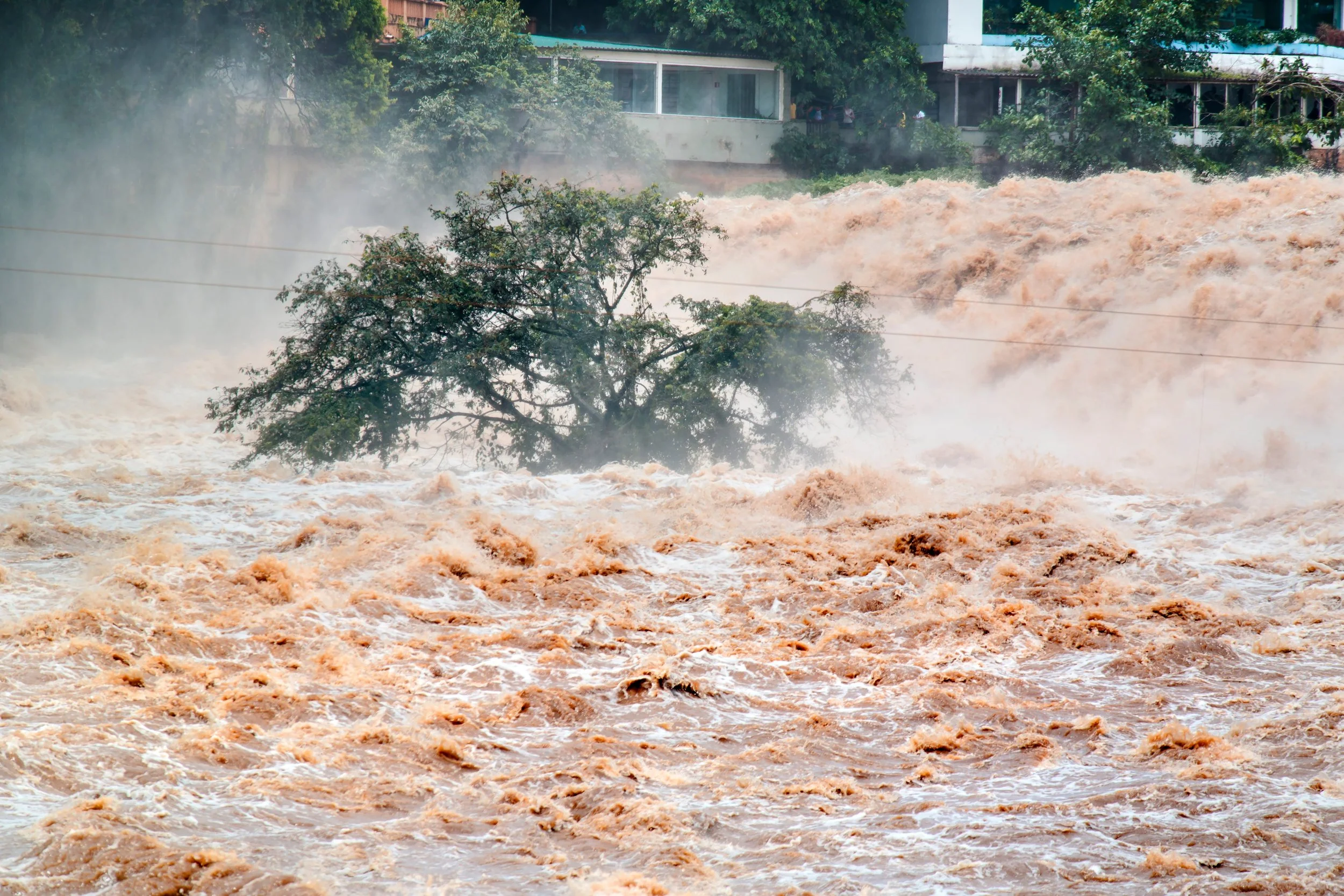
Flash Flooding
The combination of steep hills, hard bedrock, and intense rainstorms makes this area part of "Flash Flood Alley."Water cannot absorb quickly enough into the thin soils, causing rapid, destructive torrents down creeks and river valleys.
Aquifer Depletion
Growing human populations and land clearing pull water out of the Edwards and Trinity aquifers faster than rainfall can recharge them.Lowered water tables lead to historic springs drying up, reducing the baseline water flow that keeps local creeks running during droughts.
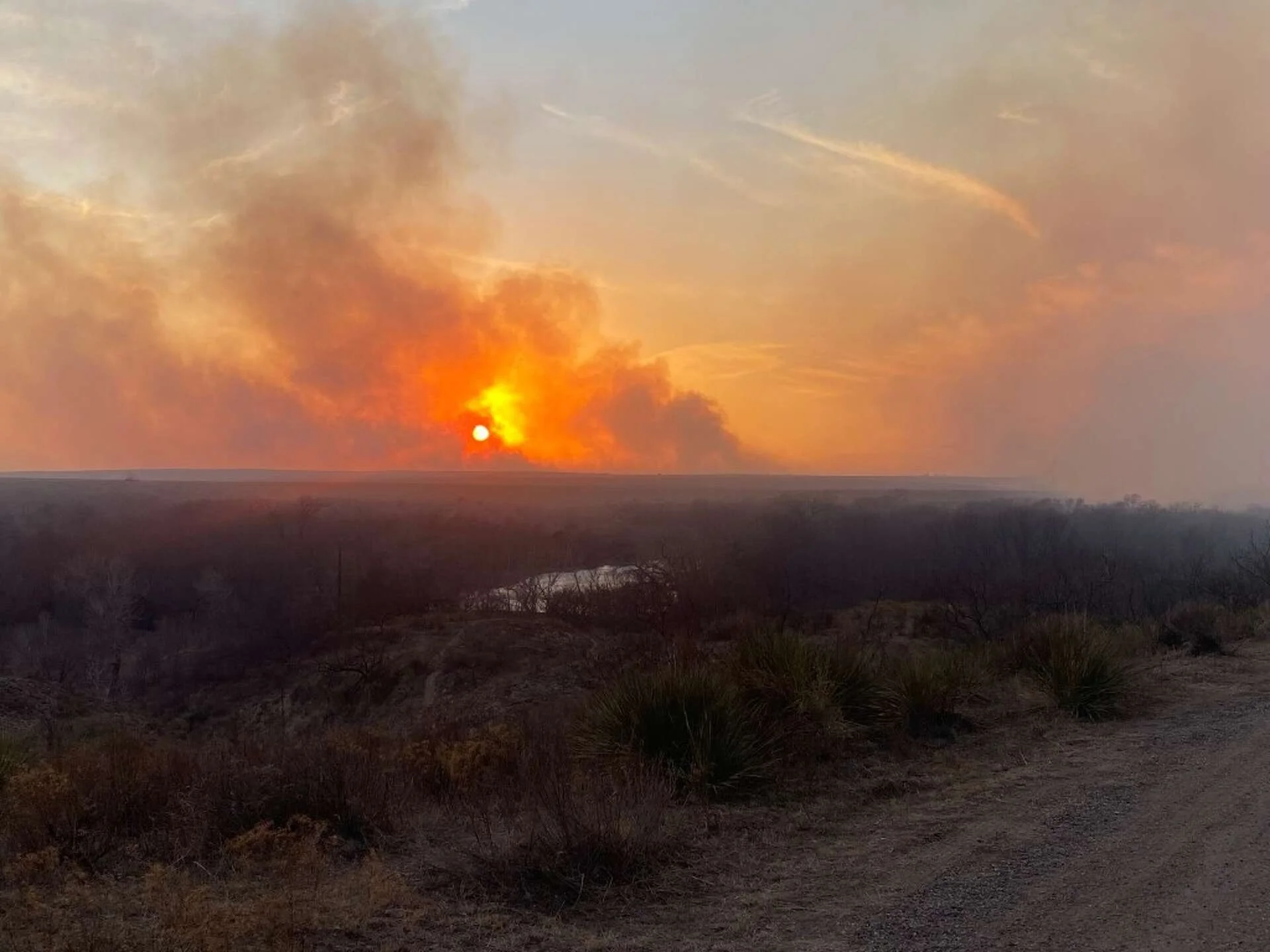
Wildfire Risk
Extended periods of drought combined with dense fuel loads from overgrown, unmanaged brush and woody plants.High-intensity canopy fires that endanger communities and sterilize the underlying soil, stripping away organic matter.
Our complex relationship with Cedar
Before European settlement, the Hill Country experienced frequent, low-intensity wildfires caused by lightning or managed by Native American tribes. Because young Ashe junipers have thin bark and do not resprout from their roots after being burned, these natural fires kept them confined to steep, rocky canyons and bluffs where the flames could not easily climb. The flatter uplands remained open, grassy savannas.
In the late 19th and 20th centuries, two major shifts disrupted this balance:
Fire Suppression: Settlers built homes and fences, actively extinguishing wildfires to protect property.
Overgrazing: Heavy livestock grazing by cattle, sheep, and goats systematically depleted the native bunchgrasses. This removed the fine fuels needed to carry a natural grass fire and left bare ground where juniper seeds could easily germinate without competition.
Without fire to check their growth, Ashe junipers marched out of the canyons and rapidly blanketed the open plateaus.

Urgent Environmental Risks
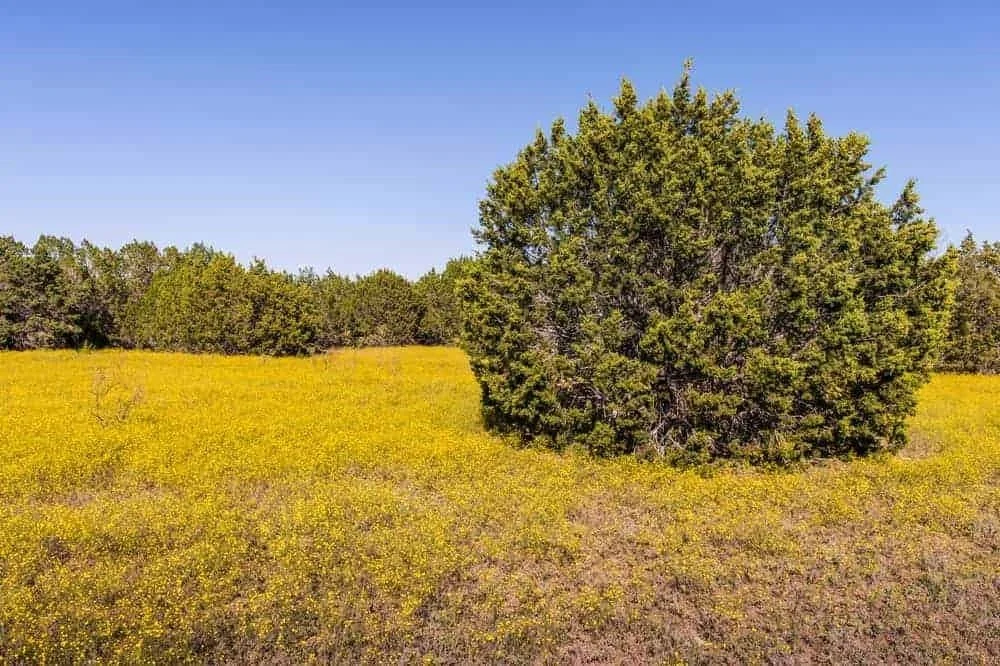
When Ashe juniper grows unchecked into dense, closed-canopy thickets (known locally as "cedar breaks"), it reshapes the local environment:
Rainfall Interception: The dense, evergreen canopy captures a significant portion of light rainfall before it ever hits the ground. This water clings to the needles and evaporates directly back into the atmosphere, never reaching the soil or recharging local aquifers.
The "Cedar Mat" Effect: Junipers drop a heavy blanket of needles that create a thick, acidic layer on the ground. Combined with the deep shade of the closed canopy, this mat prevents native grasses and wildflowers from germinating, creating a stark monoculture beneath the trees.
Accelerated Upland Erosion: Contrary to the popular belief that trees always prevent erosion, a dense cedar break can actually accelerate it. Because no grass can grow on the shaded, needle-covered ground between the trees, the soil is left completely bare. During torrential downpours, water channels rapidly between the trunks, sweeping the thin topsoil away and leaving exposed limestone.